Expert Tips for Capturing Stunning Interior Photographs


Understanding Your Space
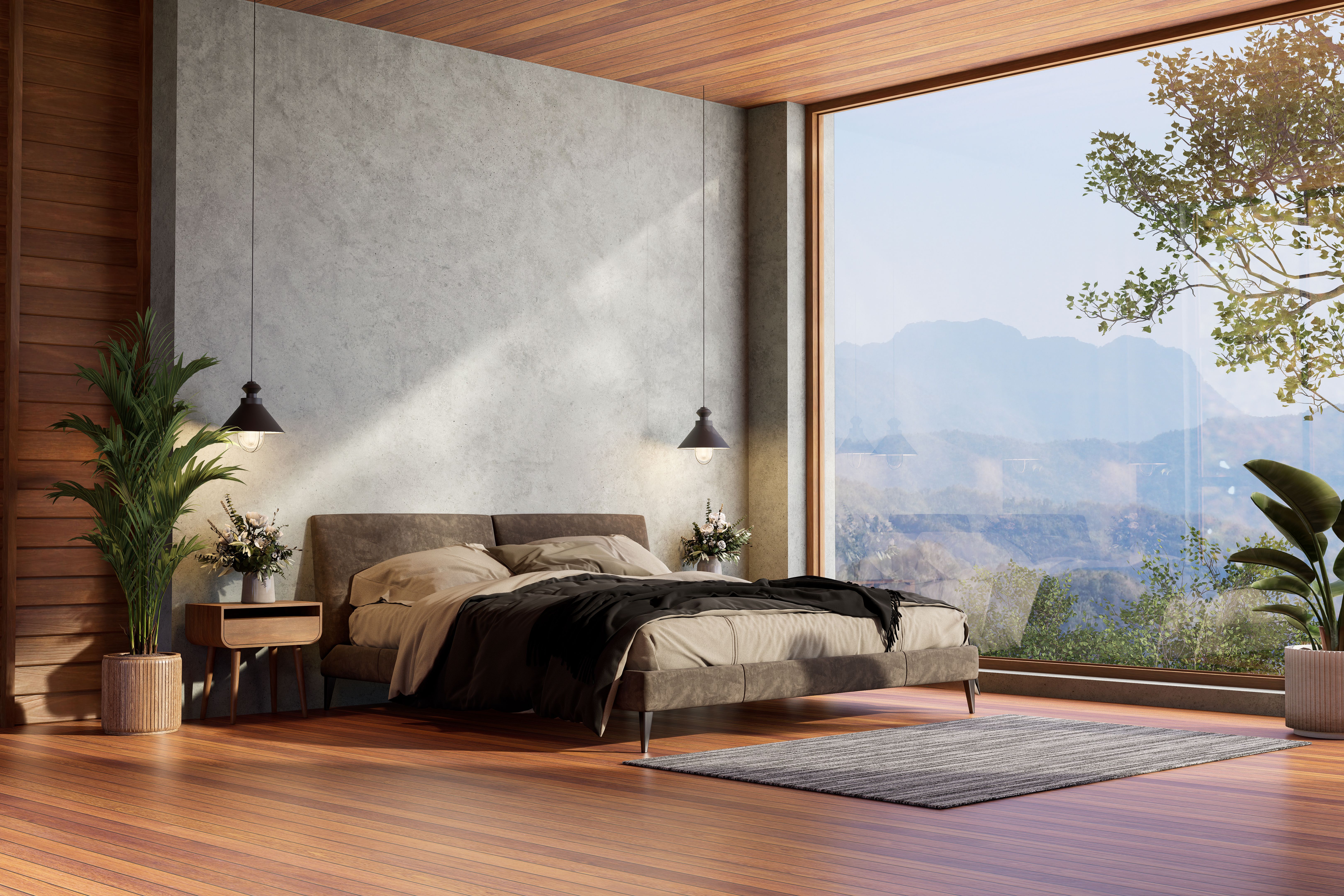
Capturing stunning interior photographs starts with a deep understanding of the space you’re working with. Analyze the room’s layout, features, and natural light sources. Take note of how light travels through the space at different times of the day, as this can dramatically affect the mood and feel of the photographs.
It’s also essential to consider the purpose of the space. Whether it’s a cozy living room or a sleek kitchen, understanding the function will help you highlight the most significant aspects. This insight will guide your composition and styling decisions, ensuring that your photos resonate with viewers.
Mastering Lighting Techniques
Lighting is one of the most crucial elements in interior photography. Natural light is often preferred as it provides a soft and inviting ambiance. Position your camera to take advantage of windows and other light sources, but avoid shooting directly into them to prevent harsh shadows and overexposure.
For spaces lacking natural light, artificial lighting can be your best friend. Use softbox lights or reflectors to create even lighting. Be mindful of color temperatures to maintain the room's natural tones. Mixing different light sources can create unwanted color casts, so aim for consistency.
Choosing the Right Equipment
While a professional camera can make a difference, the right lens is even more critical for interior photography. A wide-angle lens is often a popular choice because it captures more of the space. However, be cautious of distortion, which can misrepresent the room’s dimensions.
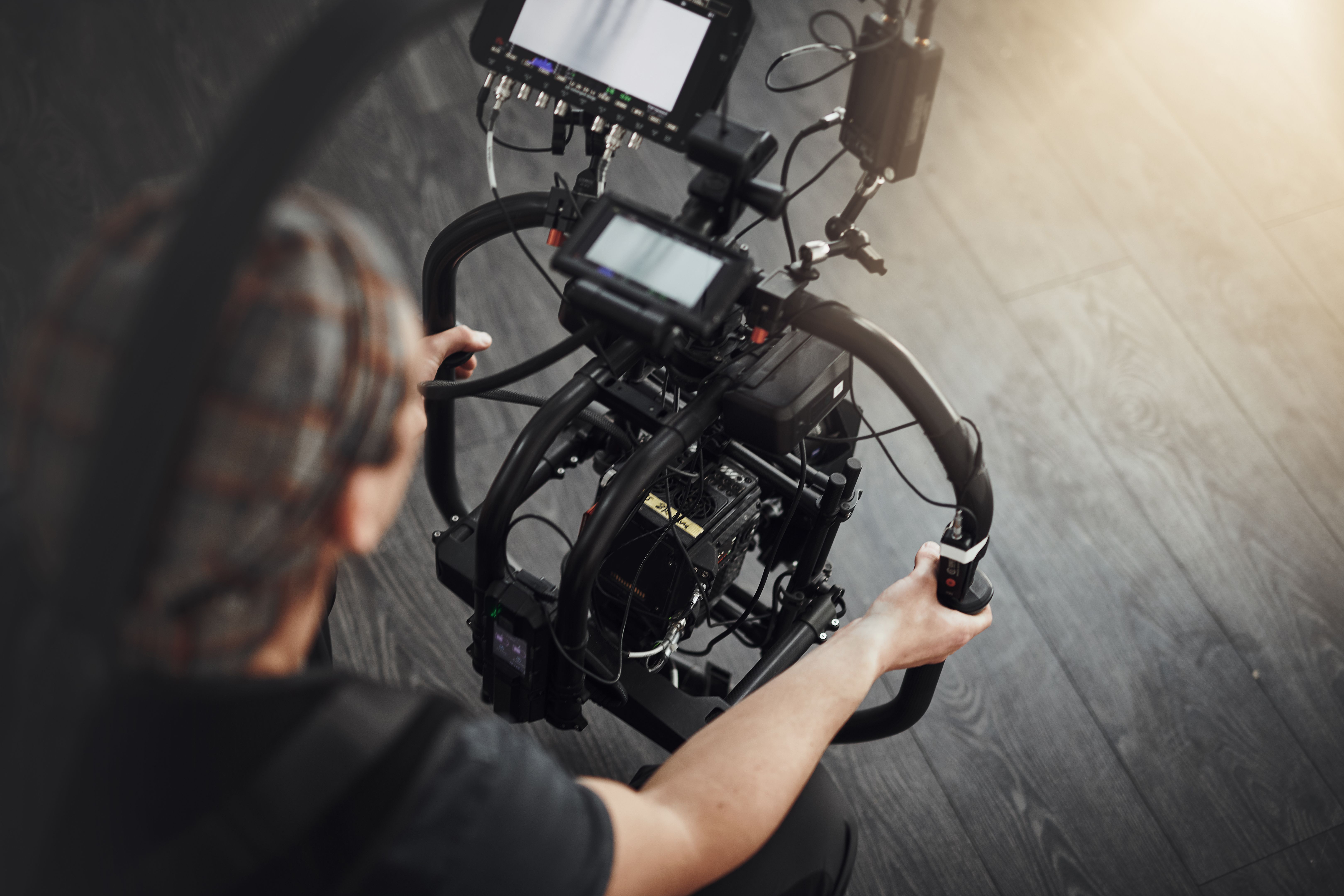
Tripods are invaluable tools in your arsenal. They stabilize your camera for longer exposures, allowing more light to enter the lens without sacrificing sharpness. This is particularly useful in low-light scenarios where a flash might wash out the room’s natural atmosphere.
Composition and Styling
Composition is about leading the viewer’s eye through the photograph. Use lines and angles to create depth and interest. Experiment with different perspectives, such as shooting from low angles or incorporating foreground elements to add dimension.
Styling is another key component. Remove clutter to let the room’s features shine. Add or adjust decor elements to enhance the composition, but keep it realistic. Plants, books, and textiles can add warmth and texture, making the space more relatable and inviting.
Post-Processing for Perfection
Editing is where good photos become great. Use post-processing software to adjust lighting, contrast, and color balance. Be careful not to over-edit, as this can create an artificial look. Aim to enhance the natural beauty of the space.
Correct any lens distortion and straighten lines to maintain a professional appearance. Subtle edits can make a big difference, ensuring that the final image is both stunning and true to life.
Final Thoughts
Capturing stunning interior photographs requires a blend of technical skills and artistic vision. By understanding your space, mastering lighting, choosing the right equipment, and carefully composing and styling your shots, you can create images that truly captivate.
Remember, practice makes perfect. Experiment with different techniques and styles to find what works best for you. The more you shoot, the better you’ll become at capturing the essence of interior spaces.